Summary
What the record shows
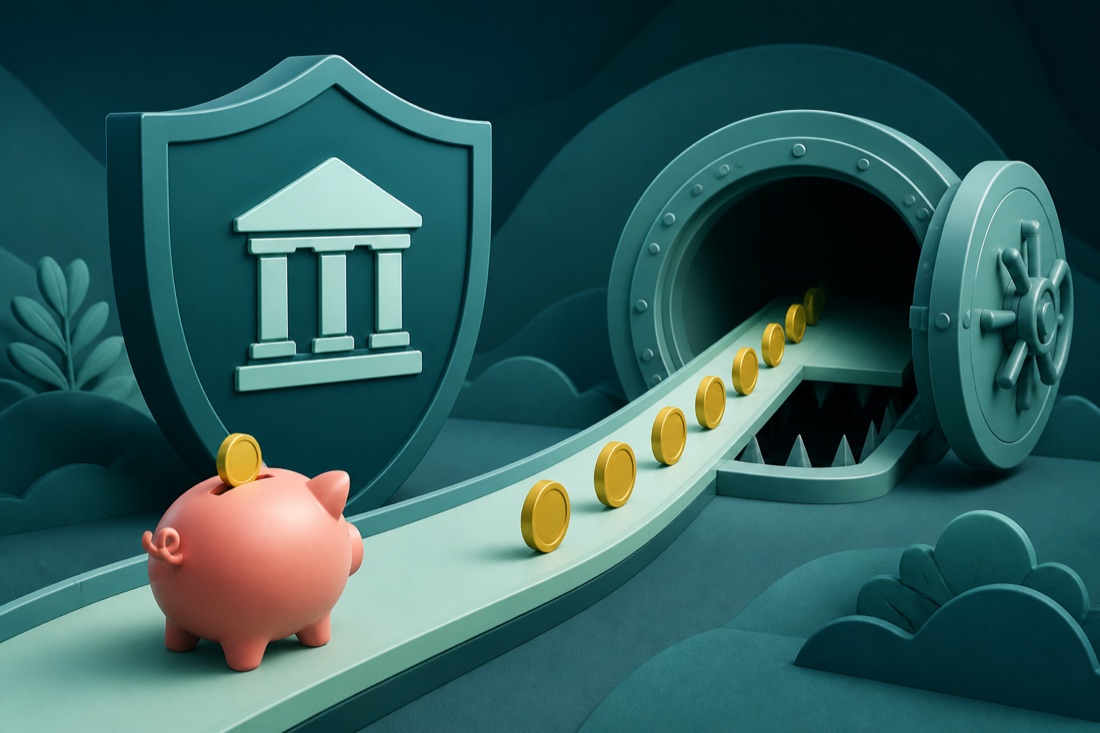
The caller may know personal or transaction information and spoof the bank’s number. They claim an account is under attack and instruct the customer to move money to a new “safe,” “secure” or “holding” account.
A real bank does not need a customer to transfer funds to an unknown account to keep them safe. End the call and contact the bank using the number on the card or official app.
Key findings
What is established and what is not
- Caller ID and knowledge of account details are not conclusive authentication.
- Never disclose a one-time code or approve a transfer described as a security reversal.
- Independent callback and in-app fraud reporting interrupt the social-engineering control.
Response and denials
The other side of the record
The reviewed material describes a distributed pattern using changing accounts, numbers and sites. No single identifiable operator or attributable operator denial was located.
Some approaches misuse the identity of banks, regulators or police. Those impersonated organisations are not treated as participants; verify any contact through an independently located official channel.
Global Scam Report evaluation
Summary assessment
Active, strongly corroborated authorised-payment scam — high confidence. A bank may legitimately block or review transactions, but should not direct a customer to an unrelated “safe account.”
Reference record
Sources reviewed
- GovernmentUS Federal Trade Commission · June 2024Got a call about fraud activity on your bank account?Open source ↗
- GovernmentUS Federal Trade Commission · April 2025Help the FTC fight impersonation scamsOpen source ↗
- GovernmentUS Federal Trade Commission · Current infographicHow scammers steal your life savingsOpen source ↗
- GovernmentFederal Bureau of Investigation · 31 March 2025Government and law-enforcement impersonation warningOpen source ↗
- GovernmentFederal Bureau of Investigation · 20262025 Internet Crime ReportOpen source ↗
- GovernmentUS Federal Trade Commission · February 2025Consumer Sentinel Network Data Book 2024Open source ↗
- GovernmentUS Federal Trade Commission · May 2025How to avoid a scam — fraud handbookOpen source ↗