Summary
What the record shows
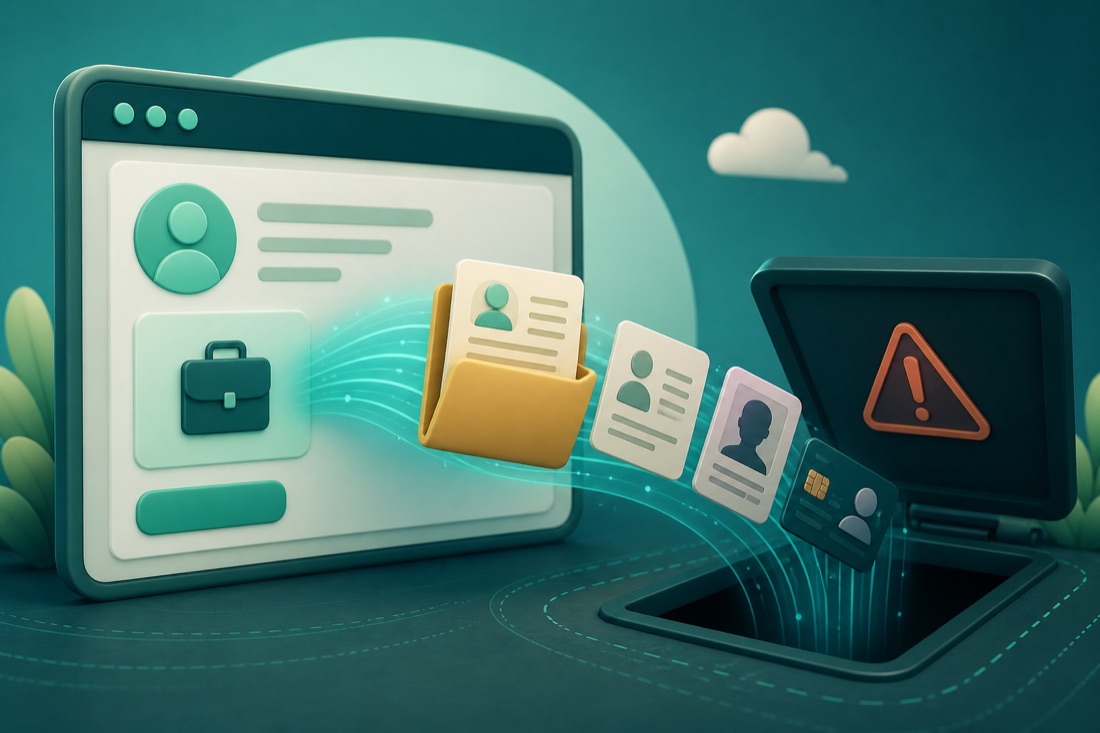
A supposed recruiter offers remote work quickly, often after an unsolicited message or an application to a copied advert. The target may receive a fake cheque for equipment, be asked to buy from an approved vendor, or submit tax and identity records before the employer is verified.
Legitimate hiring can be remote, but it should be possible to confirm the vacancy, recruiter and company domain independently. Employers do not require workers to pay to receive wages.
Key findings
What is established and what is not
- Verify the role on the employer’s independently located careers site and contact its published switchboard.
- A cheque followed by instructions to send money or buy equipment is a classic fake-cheque sequence.
- Do not send identity documents through an unverified messaging account or newly registered domain.
Response and denials
The other side of the record
The reviewed material describes a distributed pattern using changing accounts, numbers and sites. No single identifiable operator or attributable operator denial was located.
Some approaches misuse the identity of real employers, recruiters and job platforms. Those impersonated organisations are not treated as participants; verify any contact through an independently located official channel.
Global Scam Report evaluation
Summary assessment
Active, well-documented recruitment-scam pattern — high confidence. A fast or remote hiring process is not alone proof of fraud; identity, domain, payment and interview evidence should be assessed together.
Reference record
Sources reviewed
- GovernmentUS Federal Trade Commission · 18 September 2025How to spot a job scamOpen source ↗
- GovernmentUS Federal Trade Commission · July 2025Job scammers are looking to hire youOpen source ↗
- Independent reportingAssociated Press · 9 July 2025Job scams are on the riseOpen source ↗
- GovernmentUS Postal Inspection Service · Current guidanceReshipping scamsOpen source ↗
- GovernmentFederal Bureau of Investigation · 20262025 Internet Crime ReportOpen source ↗
- GovernmentUS Federal Trade Commission · February 2025Consumer Sentinel Network Data Book 2024Open source ↗
- GovernmentUS Federal Trade Commission · May 2025How to avoid a scam — fraud handbookOpen source ↗