Summary
What the record shows
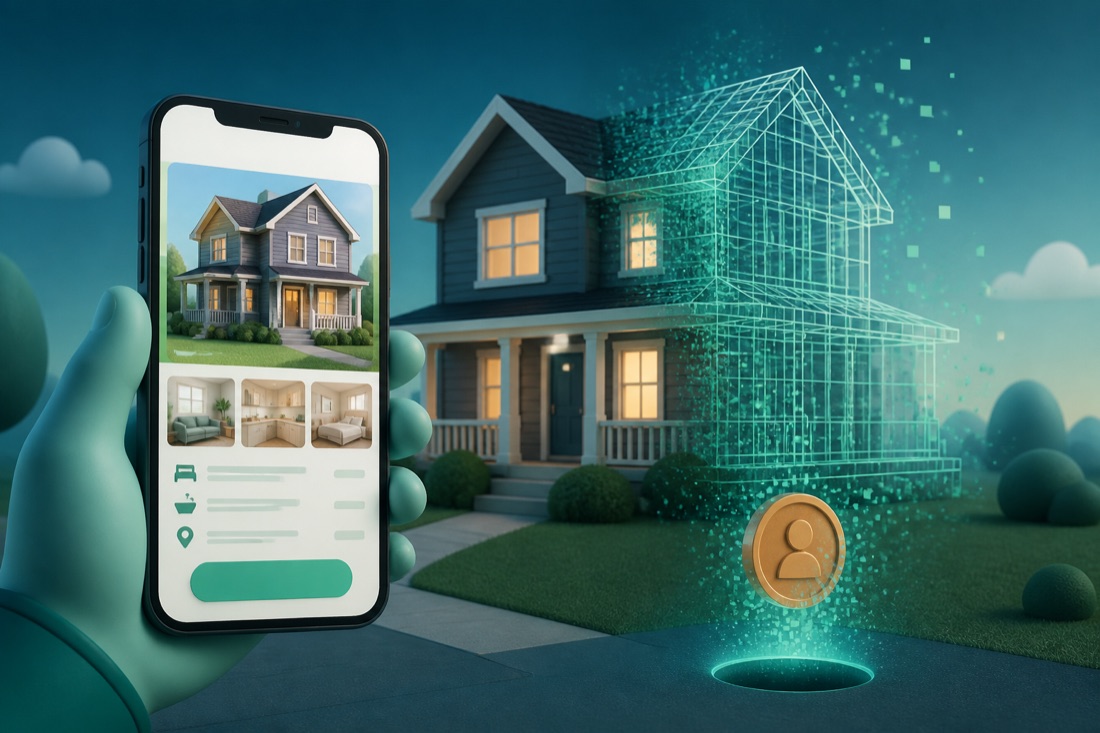
Scammers copy a real sale or rental advert, alter the contact details and offer the property at an attractive price. The supposed landlord may claim to be overseas or unavailable and demand an application fee, deposit or first month’s rent before an in-person inspection.
A July 2026 FTC warning aimed at people moving for military service shows how urgency and distance are exploited. The same mechanics can affect students, migrants and anyone arranging housing remotely.
Key findings
What is established and what is not
- Search the address and images independently; duplicate adverts with different prices or contacts are a significant warning sign.
- A refusal to show the property or verify authority to rent it materially increases risk.
- Do not send money or identity documents solely on the strength of an online listing and message exchange.
Response and denials
The other side of the record
The reviewed material describes a distributed pattern using changing accounts, numbers and sites. No single identifiable operator or attributable operator denial was located.
Some approaches misuse the identity of property owners, agents, listing platforms and military bodies. Those impersonated organisations are not treated as participants; verify any contact through an independently located official channel.
Global Scam Report evaluation
Summary assessment
Active, longstanding and well-documented rental-scam pattern — high confidence. A specific listing requires address, ownership and payment verification before any conclusion.
Reference record
Sources reviewed
- GovernmentUS Federal Trade Commission · 10 July 2026How to spot fake rental listings during a military moveOpen source ↗
- GovernmentUS Federal Trade Commission · Current consumer guidanceRental listing scamsOpen source ↗
- GovernmentUS Federal Trade Commission · August 2025Tenant background checks and your rightsOpen source ↗
- GovernmentFederal Bureau of Investigation · 20262025 Internet Crime ReportOpen source ↗
- GovernmentUS Federal Trade Commission · February 2025Consumer Sentinel Network Data Book 2024Open source ↗
- GovernmentUS Federal Trade Commission · 10 March 2025Top scams of 2024Open source ↗
- GovernmentUS Federal Trade Commission · May 2025How to avoid a scam — fraud handbookOpen source ↗