Summary
What the record shows
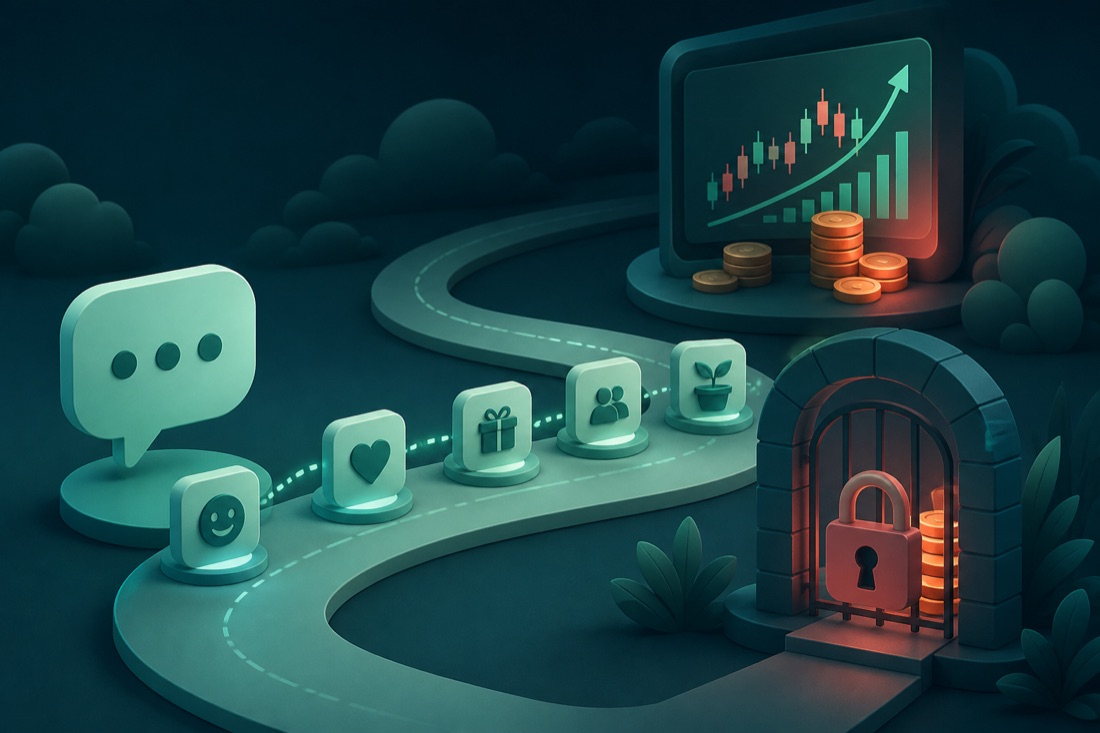
The sender apologises for a wrong number but continues a friendly conversation. Contact may move to another app and develop over weeks before the new acquaintance mentions unusually successful investing and offers coaching.
The platform is commonly controlled by the scheme, so balances and returns are fabricated. Withdrawal may be blocked unless the victim pays additional “tax,” “margin” or “verification” charges.
Key findings
What is established and what is not
- The extended social relationship is designed to make the later financial instruction feel personal and credible.
- Small successful withdrawals can be staged and do not validate the platform.
- Check licensing and custody independently and do not rely on links or screenshots supplied by the contact.
Response and denials
The other side of the record
The reviewed material describes a distributed pattern using changing accounts, numbers and sites. No single identifiable operator or attributable operator denial was located.
Some approaches misuse the identity of people whose photos are copied, messaging services or investment brands. Those impersonated organisations are not treated as participants; verify any contact through an independently located official channel.
Global Scam Report evaluation
Summary assessment
Active, organised investment-grooming pattern — high confidence. A mistaken message is not proof of fraud; the evaluation turns on sustained grooming, financial direction and platform evidence.
Reference record
Sources reviewed
- GovernmentUS Federal Trade Commission · 1 April 2026How to spot top scams that start on social mediaOpen source ↗
- GovernmentUS Federal Trade Commission · Current guidanceWhat to know about cryptocurrency and scamsOpen source ↗
- GovernmentFederal Bureau of Investigation · 11 February 2025Romance scam warningOpen source ↗
- GovernmentFederal Bureau of Investigation · 20262025 Internet Crime ReportOpen source ↗
- GovernmentUS Federal Trade Commission · February 2025Consumer Sentinel Network Data Book 2024Open source ↗
- GovernmentUS Federal Trade Commission · 10 March 2025Top scams of 2024Open source ↗
- GovernmentUS Federal Trade Commission · May 2025How to avoid a scam — fraud handbookOpen source ↗